Call Us: 1800 HES CRANES

 1800 4372 72


How to Choose the Right Crane Hoist for Heavy Lifting

The hoist is the part of a crane that actually does the lifting, so choosing the right one matters. A hoist that is underrated, too slow or poorly matched to the job can create bottlenecks, wear out early and put people at risk. One that is properly specified will lift smoothly and reliably for years.
This guide explains the main types of crane hoist, the factors that affect your choice and what to consider when choosing a gantry crane hoist or a portable crane hoist.
The main types of crane hoist
Manual chain hoists
Operated by pulling a hand chain, manual hoists are simple, compact and need no power. They are useful for occasional, light lifting and on portable gantries where power is not available, but they are slow and tiring for frequent or heavy lifts.
Electric chain hoists
Electric chain hoists use a motor to drive a load chain. They are compact, reliable and a popular choice for workshops, production lines, jib cranes, workstation cranes and gantry cranes. Models such as the Kito ER and EQ cover a wide range of everyday lifting, while the Kito EDL runs on single phase power.
Wire rope hoists
Wire rope hoists wind a steel rope onto a drum. They are the usual choice for heavier loads, higher lifting heights, faster speeds and high-duty applications, particularly on overhead cranes. HES supplies wire rope hoists from Kito and Stahl.
Air hoists
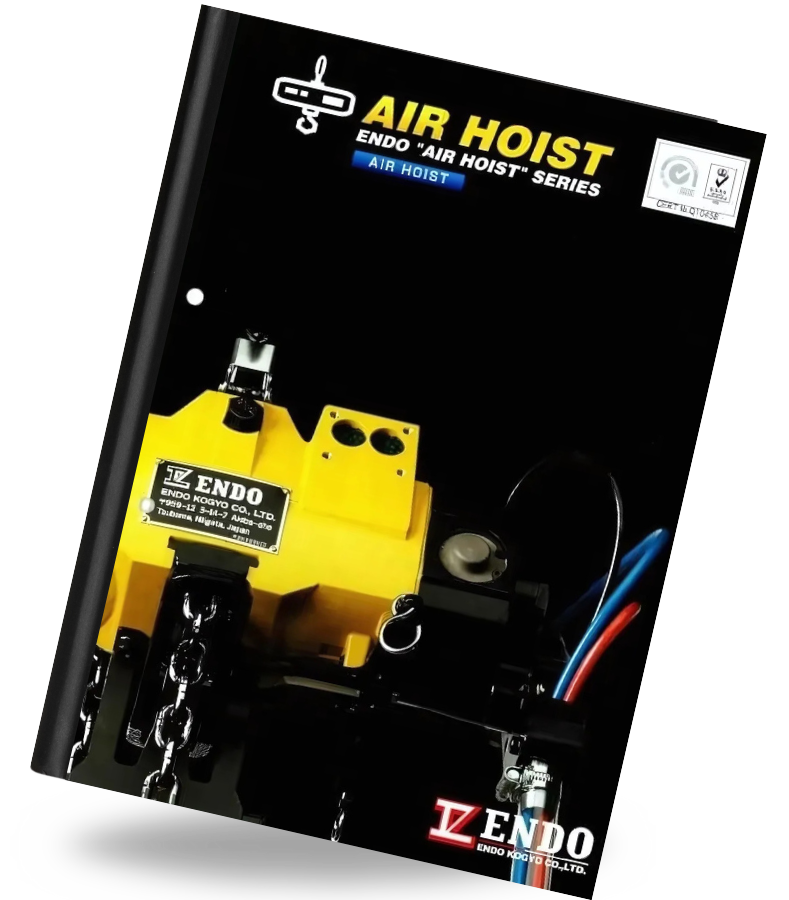
Air hoists are powered by compressed air rather than electricity. They are used in hazardous environments, such as areas with flammable gases or dust, and in applications that need very smooth, precise control. HES supplies air hoists from ENDO and J.D. Neuhaus.
Crane hoist types compared
| Hoist type | Best for | Things to consider |
| Manual chain | Light, occasional lifts and sites without power | Slow, and tiring for frequent lifting |
| Electric chain | Light to medium loads, workshops, jibs and gantries | Very versatile, but chain wears with heavy, high-duty use |
| Wire rope | Heavy loads, high lifts and high-duty work | Higher cost and larger size than chain hoists |
| Air | Hazardous areas and precise control | Needs a reliable compressed air supply |
What to consider when choosing a crane hoist
Capacity
Start with your heaviest load, then add the weight of slings, shackles, spreader bars and any lifting beam. The hoist must be rated for the total. HES electric hoists cover capacities from around 125 kg to 125 tonnes, and air hoists from around 125 kg to 20 tonnes.
Duty and usage
How often you lift, how long the hoist runs and how close loads are to full capacity all affect the hoist you need. A hoist that lifts near capacity many times a shift needs a higher duty rating than one used a few times a day for light loads. Choosing the right duty class helps prevent premature wear on motors, brakes and chains or ropes.
Lifting height
Measure the distance from the hook’s lowest point to its highest point. Wire rope hoists are generally better for very high lifts, while chain hoists work well for lower and medium heights.
Speed and control
Single speed hoists are simple and economical. Two-speed or variable speed hoists give a fast speed for travel and a slow speed for precise positioning, which is valuable for delicate or high-value loads.
Headroom
Headroom is the space between the underside of the beam and the hook at its highest point. In buildings with low ceilings, a low-headroom hoist or trolley can make a big difference to how high you can lift.
Power supply
Check whether you have single phase or three phase power where the hoist will be used. Single phase hoists, such as the Kito EDL, are useful for smaller workshops and portable applications.
Working environment
Consider dust, moisture, heat, corrosive conditions, outdoor use and hazardous areas. Food and corrosion resistant hoists such as the Kito FER2 are designed for demanding environments, while air hoists are designed for hazardous areas.
Trolley and suspension
Hoists can be hook mounted, lug mounted or fitted to a push, geared or motorised trolley. Motorised trolleys are best for heavier loads or longer travel, while push trolleys are simple and economical for lighter loads.
Safety features
Look for overload protection, upper and lower limit switches, a fail-safe brake and an emergency stop. Outdoor hoists should have weatherproof enclosures.
Choosing a gantry crane hoist
A gantry crane hoist must be matched to the gantry’s rated capacity, span and lifting height. Electric chain hoists are the most common choice for gantry cranes in workshops and yards, as they are compact and versatile. For heavier, high-duty gantries, a wire rope hoist may be the better option.
Check that the trolley is rated and compatible with the gantry beam, and that the combined weight of the hoist, trolley and load stays within the gantry’s limit. For outdoor gantries, choose a hoist with proper weather protection.
Choosing a portable crane hoist
A portable crane hoist is used on portable gantries, mobile frames and temporary lifting setups, so weight, power and flexibility matter.
- Keep it light. A lighter hoist is easier to rig and leaves more of the gantry’s capacity for the load.
- Match the power supply. Single phase electric chain hoists or manual hoists are often the most practical for portable work.
- Remember the gantry limit. A stronger hoist does not increase the gantry’s capacity. The hoist and trolley weight count towards the total load on the structure.
- Check headroom. On low portable gantries, the hoist and rigging can limit how high you can lift.
Our guide to how much weight a portable gantry crane can lift explains how to check the whole lifting system.
Common mistakes to avoid
- Choosing a hoist based on the load alone, without lifting gear
- Picking a light-duty hoist for heavy, repetitive work
- Forgetting to check headroom and lifting height
- Fitting a hoist that does not match the crane or gantry rating
- Overlooking power supply and environmental conditions
- Skipping regular inspections and servicing
Frequently asked questions
1. Is a chain hoist or wire rope hoist better for heavy lifting?
For very heavy loads, high lifts and high-duty work, a wire rope hoist is usually the better choice. Electric chain hoists are ideal for light to medium loads and general workshop use.
2. What size hoist do I need?
Choose a hoist rated for your heaviest load plus the weight of all lifting gear, and match it to the crane or gantry’s rated capacity.
3. Can I use a single phase hoist on a gantry crane?
Yes. Single phase electric chain hoists are commonly used on portable and workshop gantry cranes where three phase power is not available.
4. When should I use an air hoist?
Air hoists are used in hazardous areas where electric equipment is not appropriate, and where very smooth, precise control is needed.
5. Do crane hoists need inspections?
Yes. Hoists should be inspected and serviced regularly in line with Australian Standards and the manufacturer’s requirements.
Talk to us about your hoist
HES Cranes supplies, installs and services chain, wire rope and air hoists from leading brands including Kito, Stahl, G.I.S, Hitachi, ENDO and J.D. Neuhaus, backed by more than 25 years of experience. Tell us what you lift, how often and where, and we will recommend the right crane hoist for your overhead crane, gantry or portable setup.
Call 1800 437 272 or request a quote online.